

MVR
Mohawk Valley Retina
Case Presentation About MVR Our Physicians Patient Education/Directory FAQs Contact Us Links
MVR Mohawk Valley Retina

  Topics
 
How The Eye Works  
 
The Retina  
 
The Vitreous  
 
Flashes and Floaters  
 
Retinal Tears  
 
Retinal Detachment  
 
Macular Degeneration  
  Diabetic Retinopathy  
  Macular Hole  
  Central Serous Retinopathy  
  Epiretinal Membrane  
  Cystoid Macular Edema  
  Central Retinal Vein Occlusion  
  Branch Retinal Vein Occlusion  
  Ocular Inflammation  
  Optic Nerve Disease  
  Intravitreal Drug Therapy  
  Retinopathy of Prematurity  


Cystoid Macular Edema.

Cystoid Macular Edema (CME) usually occurs due to ocular inflammation. The inflammation within the eye produces chemicals which cause the retinal vessels to leak. This results in fluid accumulation in the central retina, and the formation of small retinal cysts. CME due to inflammation can occur in uveitis (see section on Ocular Inflammation) or following eye surgery. CME can also be caused by mechanical irritation of the retina as occurs in an epiretinal membrane.

Importantly, CME occurs in some people following cataract surgery, even if the surgery itself is perfect. CME following cataract surgery is usually not severe, and the majority of cases respond to treatment and resolve within 6 months.

Symptoms
CME usually causes a decline in central vision. Visual acuity may range from 20/20 to 20/400. Distortion of images and decreased color vision may also be present. Peripheral vision is unaffected.

Diagnosis
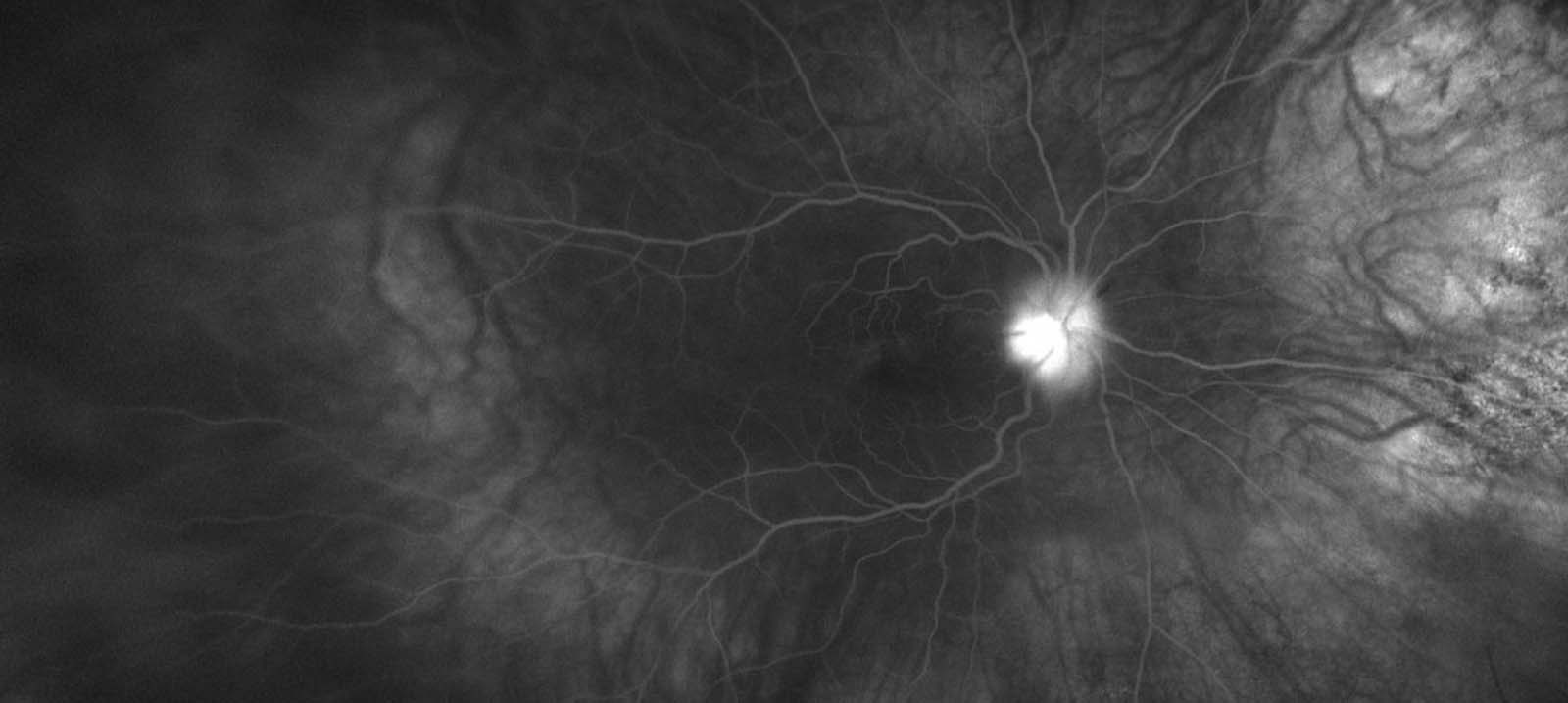
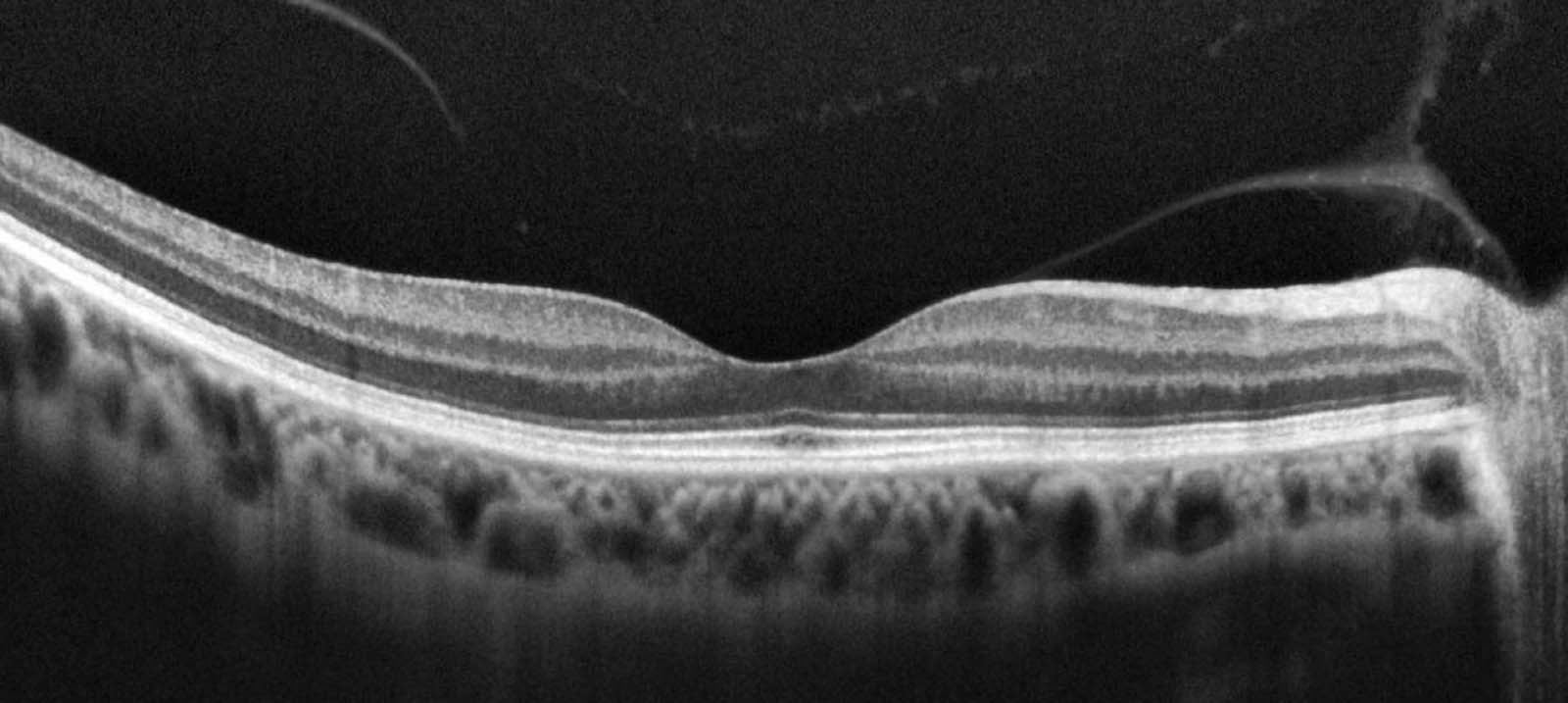
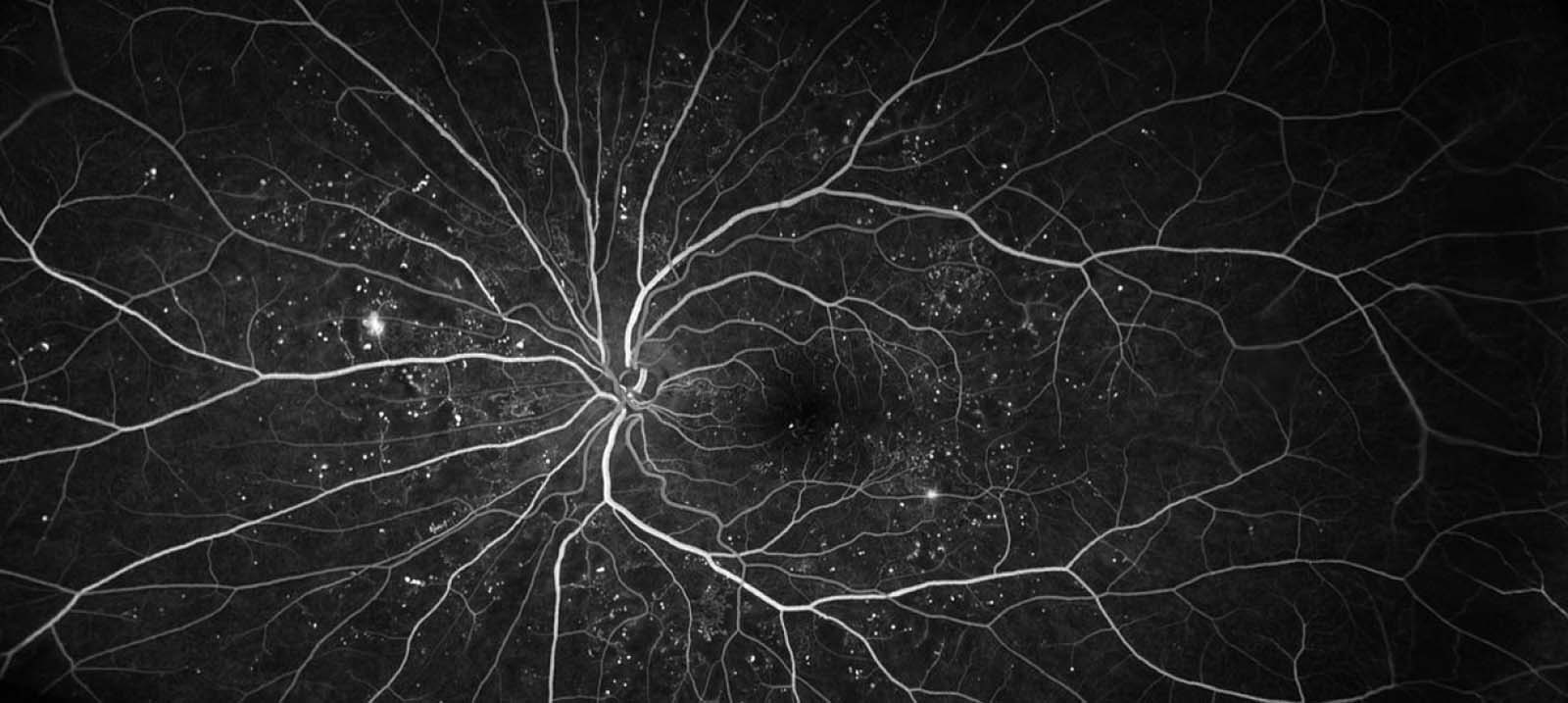
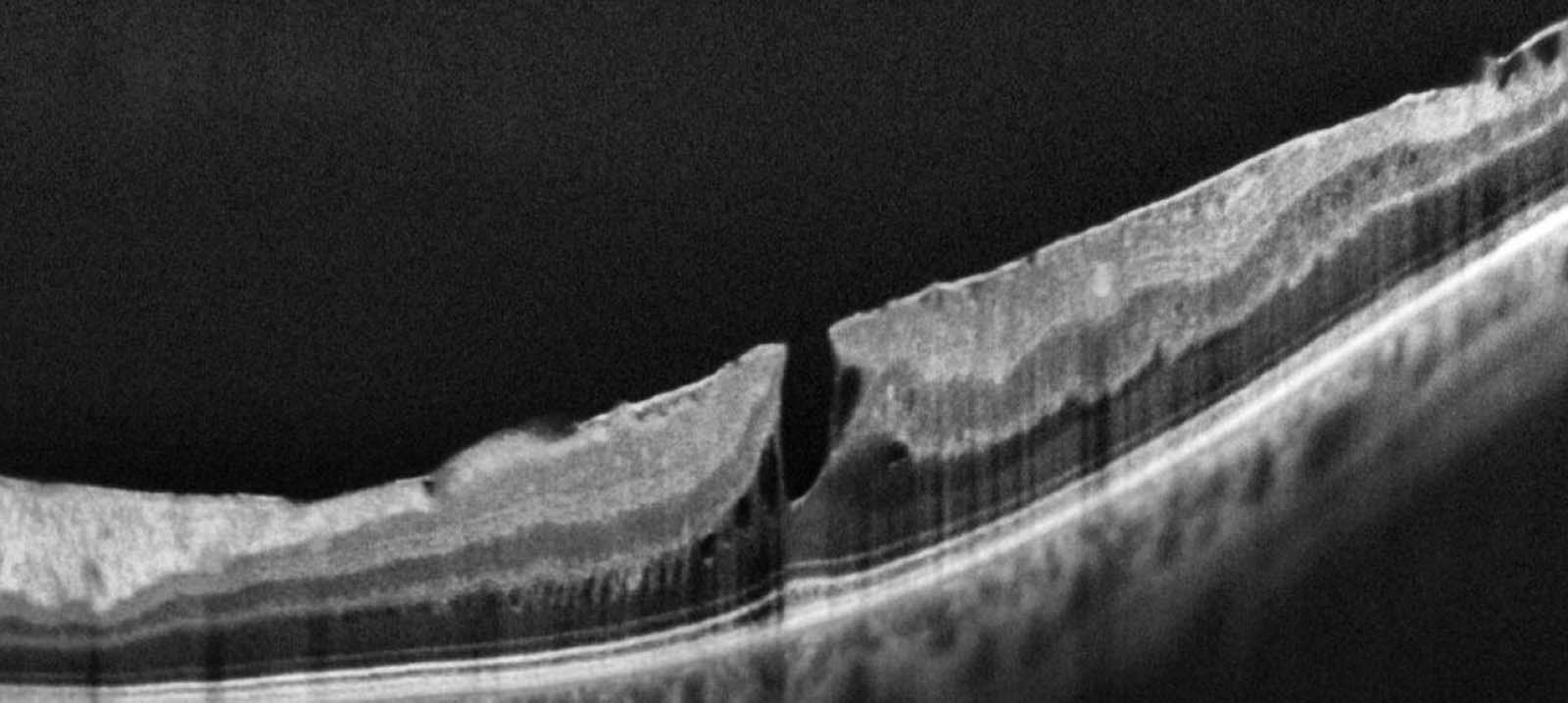
In addition to a dilated eye exam, a test called Fluorescein Angiography may be required. During this test a dye is injected into a vein in the arm. Special photographs are taken of the retina as the dye passes through the eye. Leakage and accumulation of dye into cystic spaces becomes apparent to the physician. Optical Coherence Tomography (OCT) which provides a scan, or slice of the retina is very useful in illustrating the cysts within the retina, and the increase in retinal thickness.


Treatment
In most cases, treating CME involves treating the underlying inflammation. The first line of treatment for CME is usually non-steroidal, and steroid eye drops. The second line of treatment includes an injection of a steroid into or next to the eye (see section on Intravitreal Drug Therapy). Finally, if the vitreous gel is thought to be contributing to the inflammation, it can be removed by performing vitrectomy surgery. If CME is caused by an epiretinal membrane, surgical removal of the membrane may be indicated.


  © 2009 Mohawk Valley Retina
Strategic Web Marketing by Trainor Interactive, Inc.