
MVR
Mohawk Valley Retina
Case Presentation About MVR Our Physicians Patient Education/Directory FAQs Contact Us Links
MVR Mohawk Valley Retina

  Topics
 
How The Eye Works  
 
The Retina  
 
The Vitreous  
 
Flashes and Floaters  
 
Retinal Tears  
 
Retinal Detachment  
 
Macular Degeneration  
  Diabetic Retinopathy  
  Macular Hole  
  Central Serous Retinopathy  
  Epiretinal Membrane  
  Cystoid Macular Edema  
  Central Retinal Vein Occlusion  
  Branch Retinal Vein Occlusion  
  Ocular Inflammation  
  Optic Nerve Disease  
  Intravitreal Drug Therapy  
  Retinopathy of Prematurity  


Branch Retinal Vein Occlusion.

Branch Retinal Vein Occlusion (BRVO) is similar to a central retinal vein occlusion, but only affects a segment of the retina. A BRVO occurs when a branch of the retinal vein becomes blocked. The blockage usually occurs where a retinal artery crosses over and compresses a retinal vein. The segment of the retina drained by the blocked vein becomes swollen with blood. Where the vessel is blocked it often leaks, causing retinal swelling. When swelling occurs in the central retina it is called macular edema, and may result in loss of vision. As in CRVO, vision loss can also occur if abnormal blood vessels grow in the front or back of the eye.


Symptoms
Patients with a BRVO often have blurred vision from retinal hemorrhage or macular edema. Occasionally spots, strands or a curtain may occur due to vitreous hemorrhage. Eye pain may be caused by neovascular glaucoma.

Evaluation
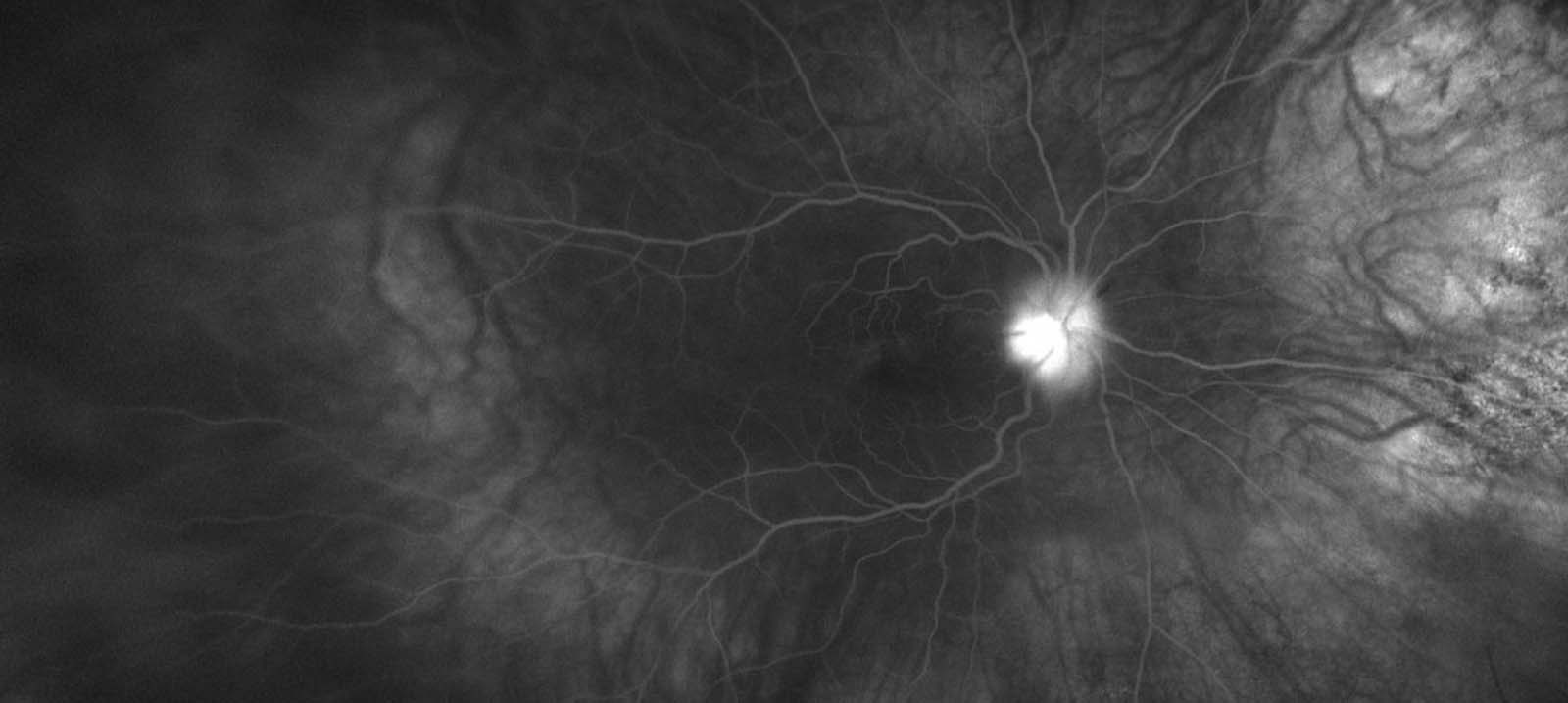
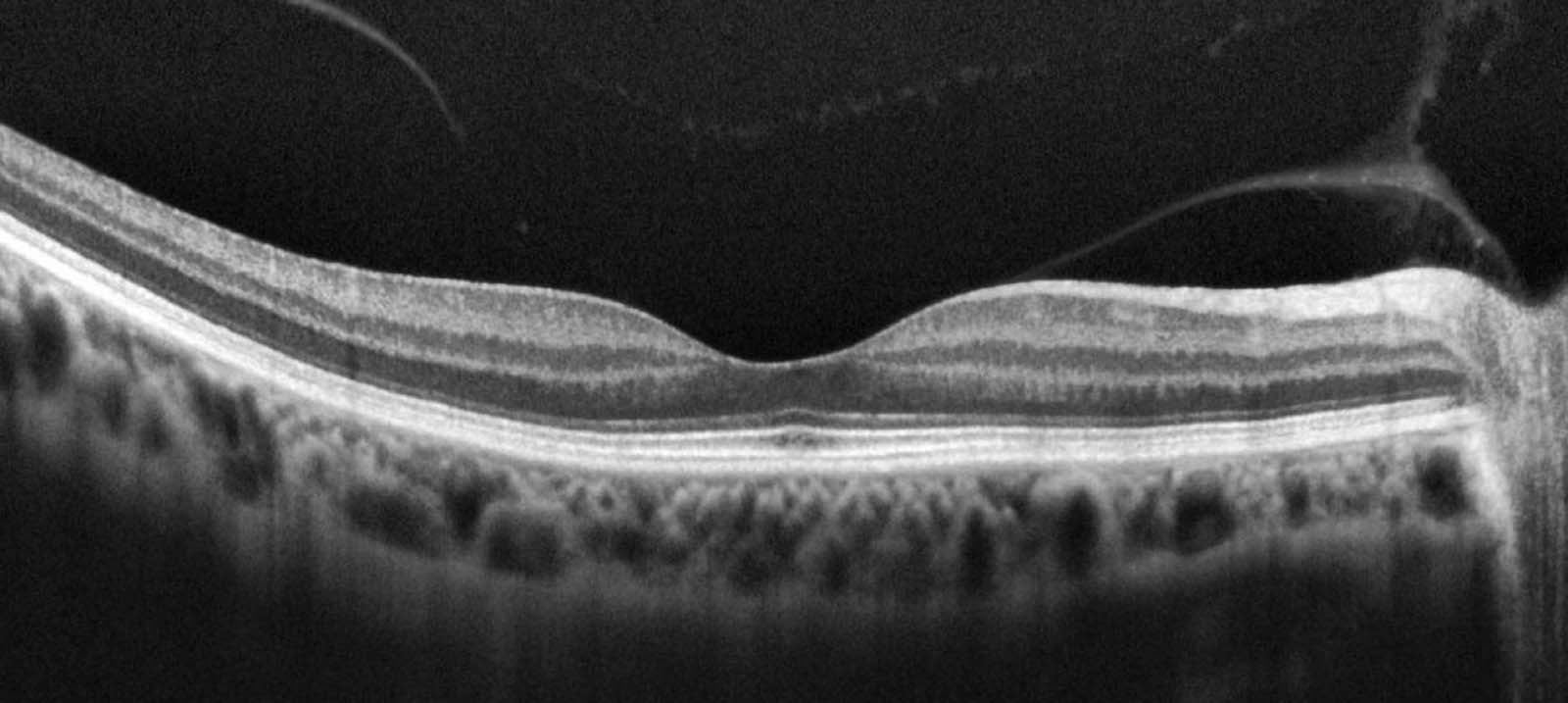
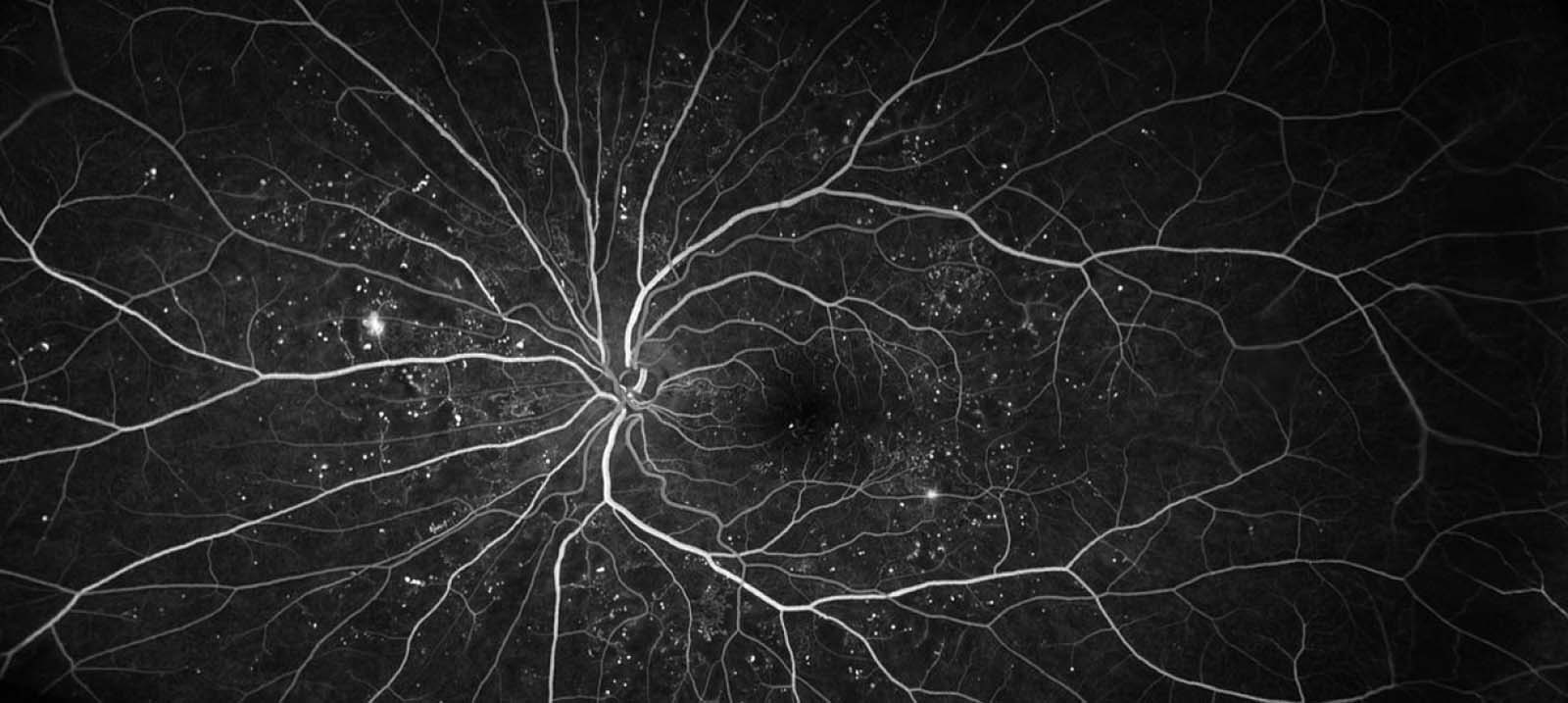
In addition to a dilated eye exam, a test called Fluorescein Angiography may be required. During this test a dye is injected into a vein in the arm. Special photographs are taken of the retina as the dye passes through the eye. Blocked or abnormal blood vessels will become detectable to the physician. Optical Coherence Tomography (OCT) may be performed to determine if macular edema is present. These tests aid the diagnosis and may help determine the need for laser treatment.

Treatment
If vision loss is due to macular edema, laser treatment may be recommended. Laser treatment will decrease the leakage which is causing macular edema. Studies have shown that patients who receive laser for macular edema are twice as likely to regain good vision. If abnormal blood vessels are growing in the eye, more extensive laser treatment may be necessary. Medications placed into the eye may also be recommended to cause regression of new blood vessels and resolution of macular edema (see section on Intravitreal Drug Therapy).

For information on Avastin for Retinal Vein Occlusions click here.


  © 2009 Mohawk Valley Retina
Strategic Web Marketing by Trainor Interactive, Inc.