
MVR
Mohawk Valley Retina
Case Presentation About MVR Our Physicians Patient Education/Directory FAQs Contact Us Links
MVR Mohawk Valley Retina

  Topics
 
How The Eye Works  
 
The Retina  
 
The Vitreous  
 
Flashes and Floaters  
 
Retinal Tears  
 
Retinal Detachment  
 
Macular Degeneration  
  Diabetic Retinopathy  
  Macular Hole  
  Central Serous Retinopathy  
  Epiretinal Membrane  
  Cystoid Macular Edema  
  Central Retinal Vein Occlusion  
  Branch Retinal Vein Occlusion  
  Ocular Inflammation  
  Optic Nerve Disease  
  Intravitreal Drug Therapy  
  Retinopathy of Prematurity  


Macular Degeneration.

Age Related Macular Degeneration (AMD)
is a disease which causes damage or breakdown of the macula. The macula is in the center of the retina and is responsible for fine vision. Macular degeneration is the leading cause of visual impairment in people 65 years or older, and is most common in those with a fair complexion. When the macula does not function correctly, central vision may be blurred, distorted, or darkened. Macular degeneration affects both distance and close vision and can make some activities, like driving or reading, difficult or impossible. Although macular degeneration may reduce the central vision, it does not affect peripheral, or side vision. For example, the patient may see the outline of a clock but not be able to tell what time it is. Macular degeneration is most common in people over the age of 60, but can develop in those in their 40’s or 50’s. Macular degeneration often runs in families.

  • Dry Macular Degeneration is the most common form of the disease, occurring in approximately 90% of patients with macular degeneration. Dry AMD occurs when fatty calcific deposits (drusen) develop under the macula. Thinning, or atrophy, of the retina may also occur. Dry AMD tends to progress slowly, and often the vision remains normal. When vision loss does occur it usually advances slowly due to thinning, or atrophy of the macula. Patients may notice a dimming of their vision or have difficulty reading fine print.


  • Wet Macular Degeneration is considerably less common than the dry form of the disease, accounting for approximately 10% of patients with AMD. With the wet form of the disease, abnormal blood vessels grow under the retina. This occurs in areas weakened by drusen or atrophy. These new blood vessels leak serum and lipid and may also bleed. Over time scar tissue may form, causing a permanent dark spot in the center of vision. In Wet AMD, there often is a rapid loss of vision.


Symptoms
Macular degeneration may cause various symptoms, and in its earliest stages may be asymptomatic. If the disease progresses, an initial symptom may be blurred or distorted vision. A dark spot in the center of vision may also occur. Vision may deteriorate in one eye while the other eye continues to see well for many years. When both eyes are affected, the loss of central vision may be noticed as soon as it occurs. If you experience any of these symptoms in either eye, schedule an appointment with your eye doctor immediately.


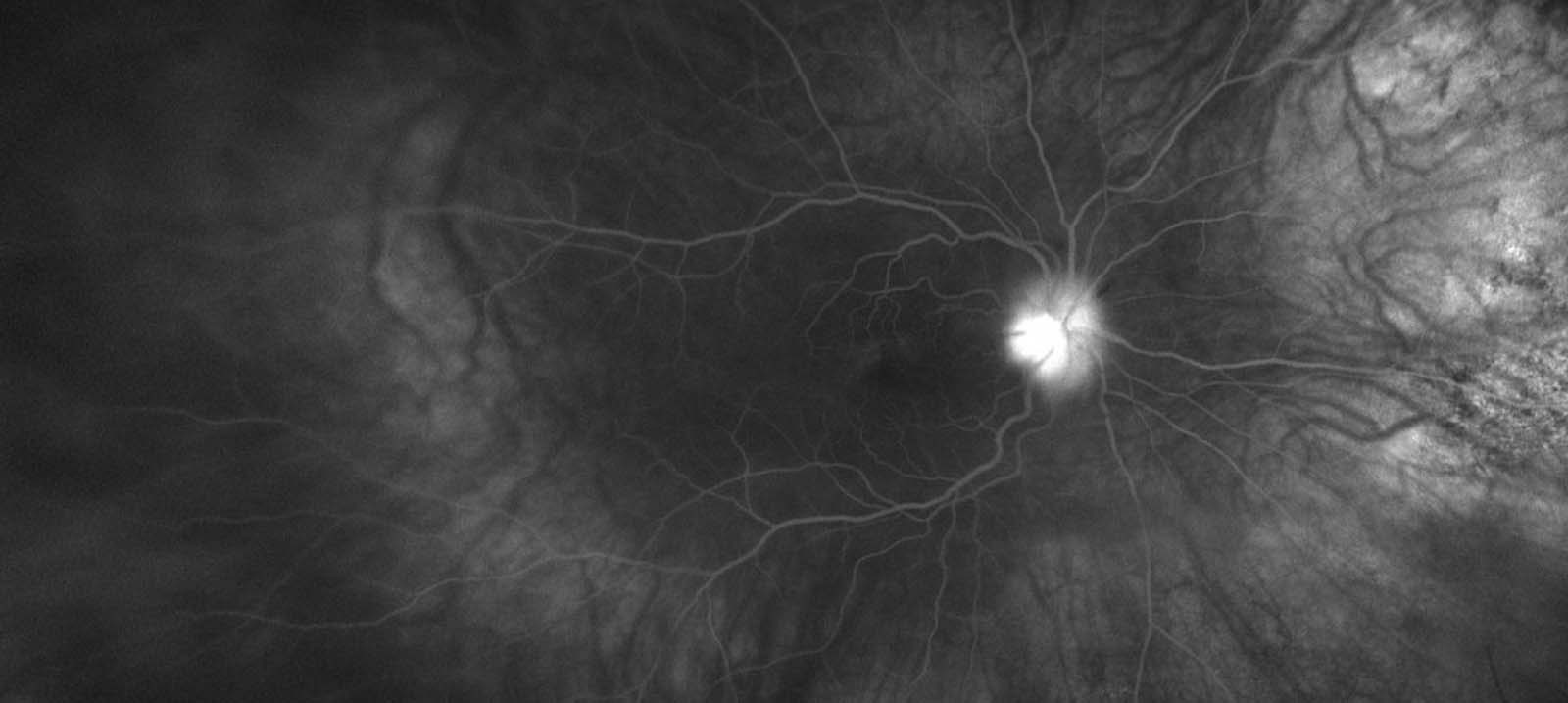
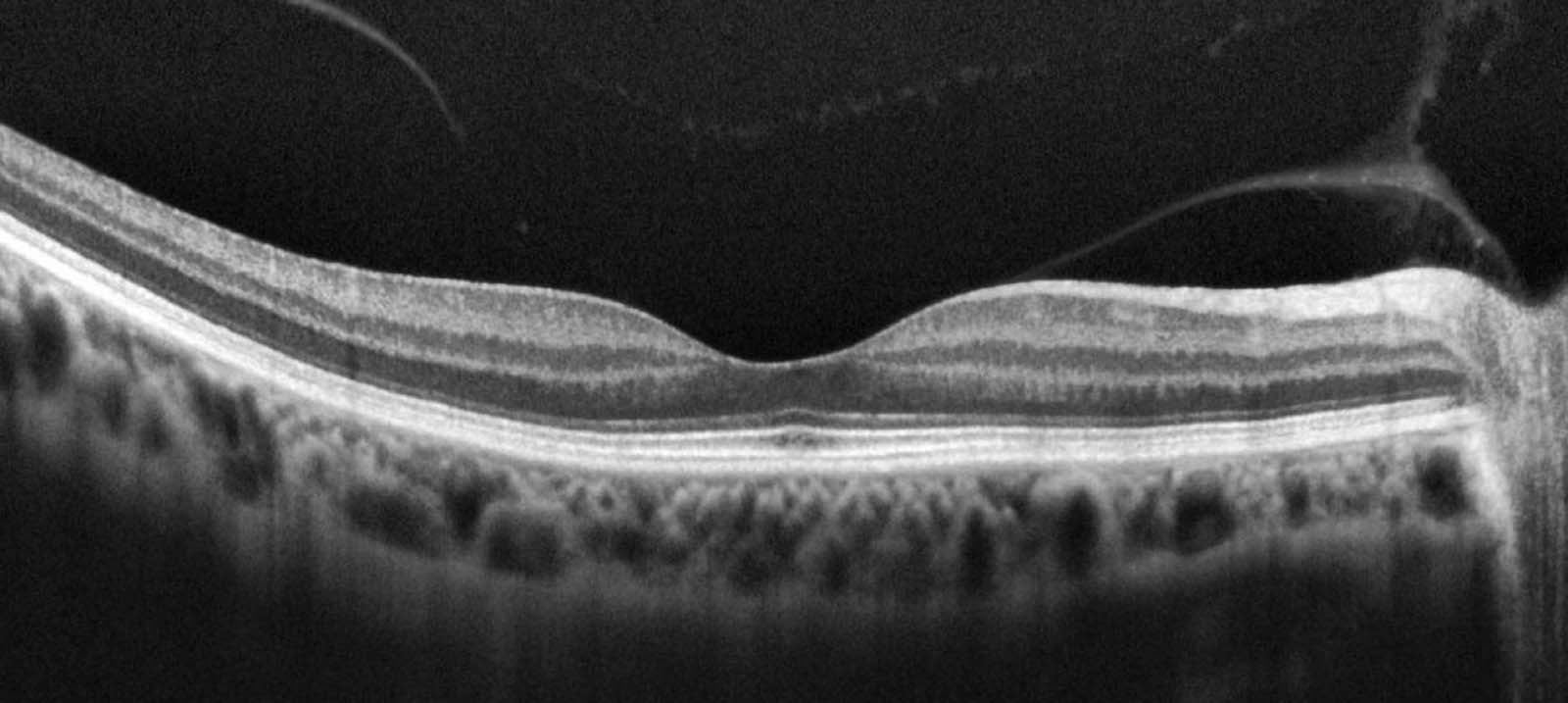
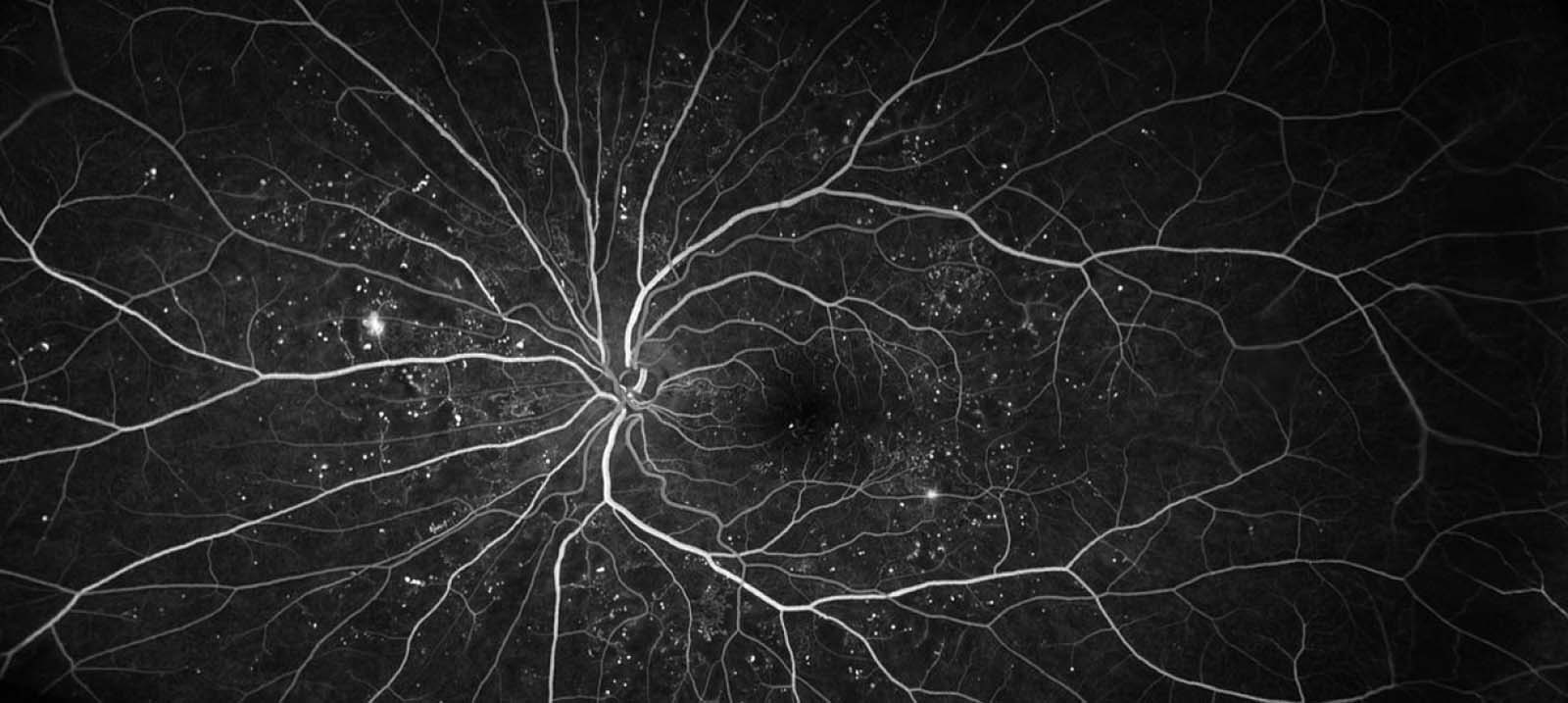
To obtain additional information, a test called Fluorescein Angiography may be required. During this test a dye is injected into a vein in the arm. Special photographs are taken of the retina as the dye passes through the eye. The abnormal blood vessels leak the injected dye and become detectable to the physician. This test aids the diagnosis and may guide the laser treatment of macular degeneration. A second very useful test is Optical Coherence Tomography (OCT). OCT obtains a scan or slice of the retina, and can detect even small amounts of retinal edema.


Treatment

  • Laser Photocoagulation
    In certain cases, laser surgery can be used to treat wet macular degeneration. Laser is a brief and painless in-office procedure, in which a highly focused beam of light is used to destroy the leaking blood vessels that damage the macula. Although a small, permanent “blind spot” is left at the point of laser contact, the procedure can preserve more overall sight. This treatment is often recommended when the abnormal blood vessels have not yet grown under the center of the macula.


  • Photodynamic Therapy
    In Wet AMD when the abnormal blood vessels are growing under the central macula, photodynamic therapy may be recommended. Photodynamic Therapy utilizes a medication that is injected into an arm vein. This medicine collects and binds to the abnormal blood vessels beneath the macula. A low power laser beam is then used to activate the medication which closes the abnormal blood vessels and decreases the leakage. This often allows the vision to stabilize, although frequent follow-up visits are required and retreatment may be necessary. PDT is usually combined with intravitreal drug therapy to improve visual outcome and decrease the need for retreatment.
  • Intravitreal Drug Therapy
    IIn Wet AMD, abnormal blood vessels grow beneath the retina and rapidly cause permanent loss of vision. Recently a number of medicines have been developed which inhibit the growth of these abnormal vessels. These medications, which are placed directly into the eye with a fine needle, have revolutionized the treatment of Wet AMD. The procedure is done in the office and is tolerated well. Most eyes receiving intravitreal injections for new onset Wet AMD will have stable or improved vision. In order to maintain vision, these injections need to be repeated at regular intervals, perhaps for the life of the patient. (See section on Intravitreal Drug Therapy for further information).
 

For information on Avastion for Macular Degeneration please click here.


Macular Degeneration and Nutrition
The first step to overall good health is a balanced diet. Vitamins and minerals are commonly used as supplements to the diet in amounts determined by recommended daily allowances. These supplemental dosages cause no apparent harm and are commonly available. Large dosages of vitamins, in amounts many times the recommended daily allowances, are sometimes taken to prevent disease.

The role of nutrition in the prevention of macular degeneration has long been of great interest to patients and eye care providers. Antioxidant nutrients have been studied since they may protect the retina from degenerative and oxidative damage. Some people with macular degeneration have been shown to have low levels of the mineral Zinc, a substance highly concentrated in the eye, particularly in the macula.

The Age Related Eye Disease Study (AREDS) demonstrated that therapeutic dosages of antioxidants and zinc decrease the progression of macular degeneration. It is recommended that people with at least moderate AMD should consider taking supplemental antioxidants plus zinc.  The daily dosages in the AREDS study are:


  • Vitamin C 500 mg
  • Vitamin E 400 IU
  • Beta carotene 15 mg
  • Zinc 80 mg
  • Copper 2 mg

High doses of beta carotene have been shown to increase the risk of lung cancer in cigarette smokers. Individuals who are smokers or former smokers should take a special formulation of the AREDS vitamins which does not contain beta carotene. Smoking can substantially increase your risk of losing your central vision and becoming legally blind if you have AMD.

Eating dark green vegetables and fish have also been shown to lower the rate of vision loss for patients with AMD. Instead of eating these food on a regular basis, some people prefer to take lutein supplements (6 or 20 mg), fish oil and/or omega-3 fatty acids. Whether or not these supplements really reduce the risk of vision loss is the question being asked by the AREDS II study which is presently underway.

Individuals over the age of 55 should have a dilated retinal exam to determine the risk of developing advanced macular degeneration. Consult with your eye doctor to determine if nutritional supplements would decrease your risk of vision loss from macular degeneration.


  © 2009 Mohawk Valley Retina
Strategic Web Marketing by Trainor Interactive, Inc.