

MVR
Mohawk Valley Retina
Case Presentation About MVR Our Physicians Patient Education/Directory FAQs Contact Us Links
MVR Mohawk Valley Retina

  Topics
 
How The Eye Works  
 
The Retina  
 
The Vitreous  
 
Flashes and Floaters  
 
Retinal Tears  
 
Retinal Detachment  
 
Macular Degeneration  
  Diabetic Retinopathy  
  Macular Hole  
  Central Serous Retinopathy  
  Epiretinal Membrane  
  Cystoid Macular Edema  
  Central Retinal Vein Occlusion  
  Branch Retinal Vein Occlusion  
  Ocular Inflammation  
  Optic Nerve Disease  
  Intravitreal Drug Therapy  
  Retinopathy of Prematurity  


Diabetic Retinopathy.

Diabetes is a disorder of sugar utilization and storage which causes damage to blood vessels throughout the body. When the blood vessels in the eye are affected this is called Diabetic Retinopathy. Diabetic retinopathy is the leading cause of blindness in patients 20 to 74 years of age. There are two types of diabetic retinopathy: nonproliferative diabetic retinopathy (NPDR) and proliferative diabetic retinopathy (PDR). Neovascular glaucoma is a less common complication of diabetes, and will also be discussed.

Nonproliferative Diabetic Retinopathy (NPDR)
In NPDR, the retinal blood vessels which are normally watertight may begin to leak. This causes blood, serum and lipid to collect in the retina. If the leakage is excessive, fluid builds up in the retina, causing it to swell. This is called Macular Edema. Serum and lipid which leak may cause the formation of solid deposits in the retina called exudate.

A patient with macular edema may not have any visual symptoms. However, if the swelling involves the central macula, vision will become blurred, distorted or darkened.


Evaluation of NPDR
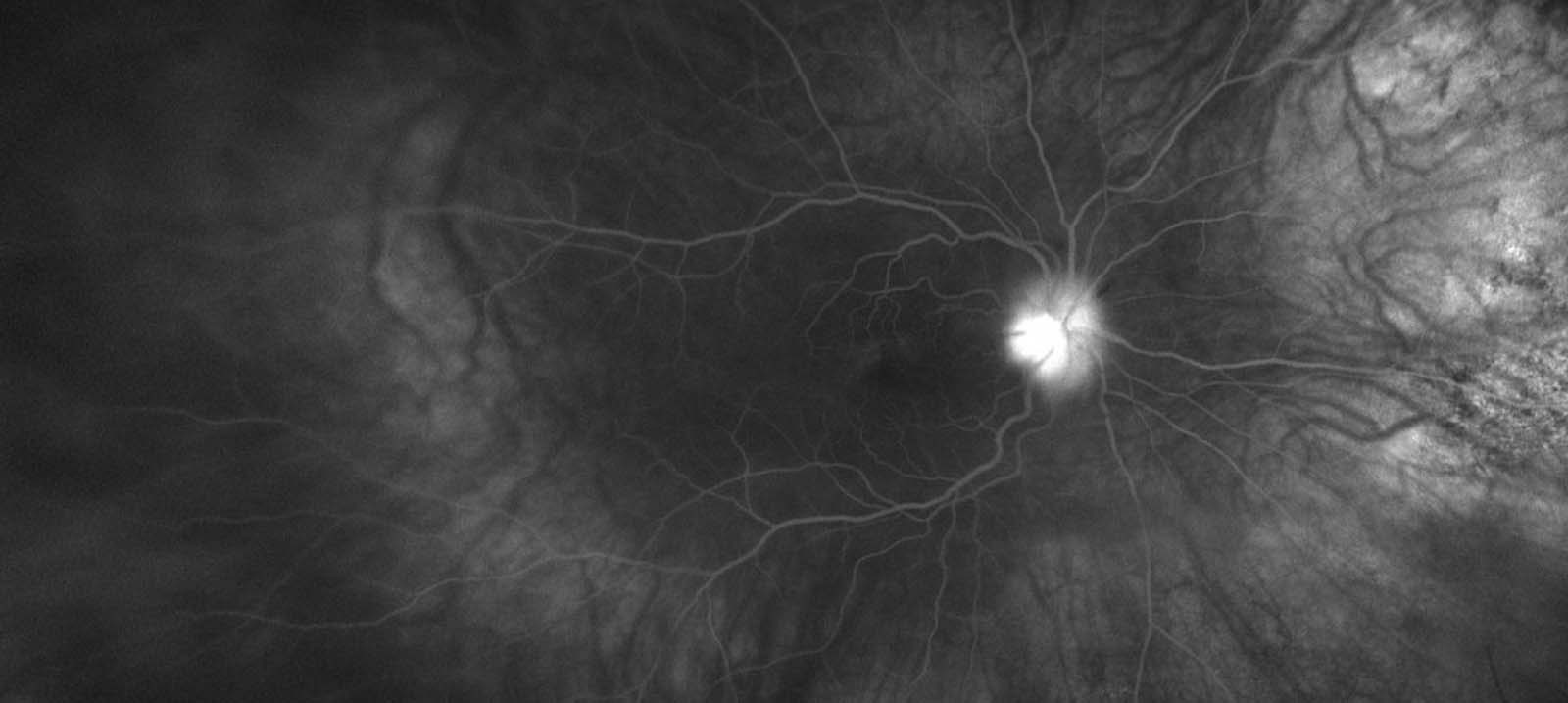
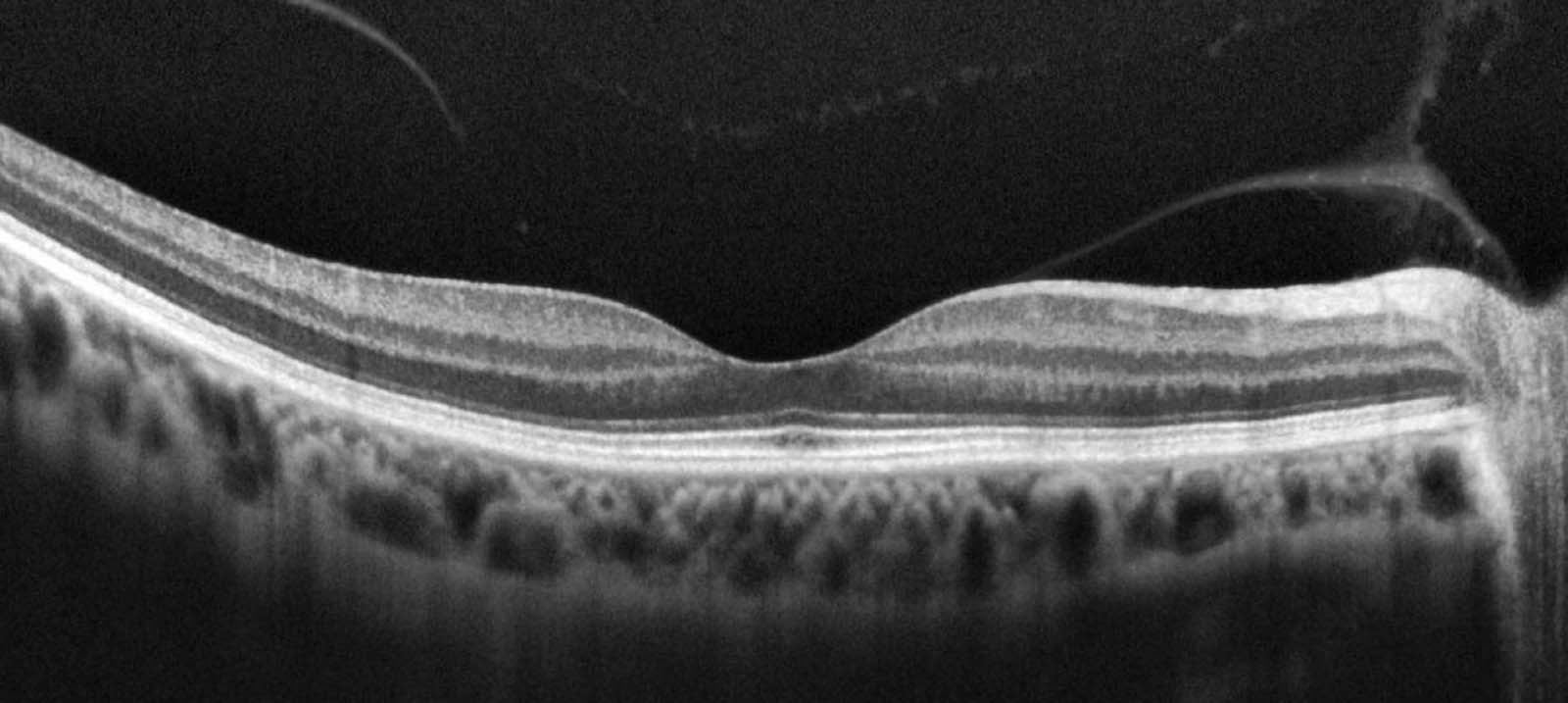
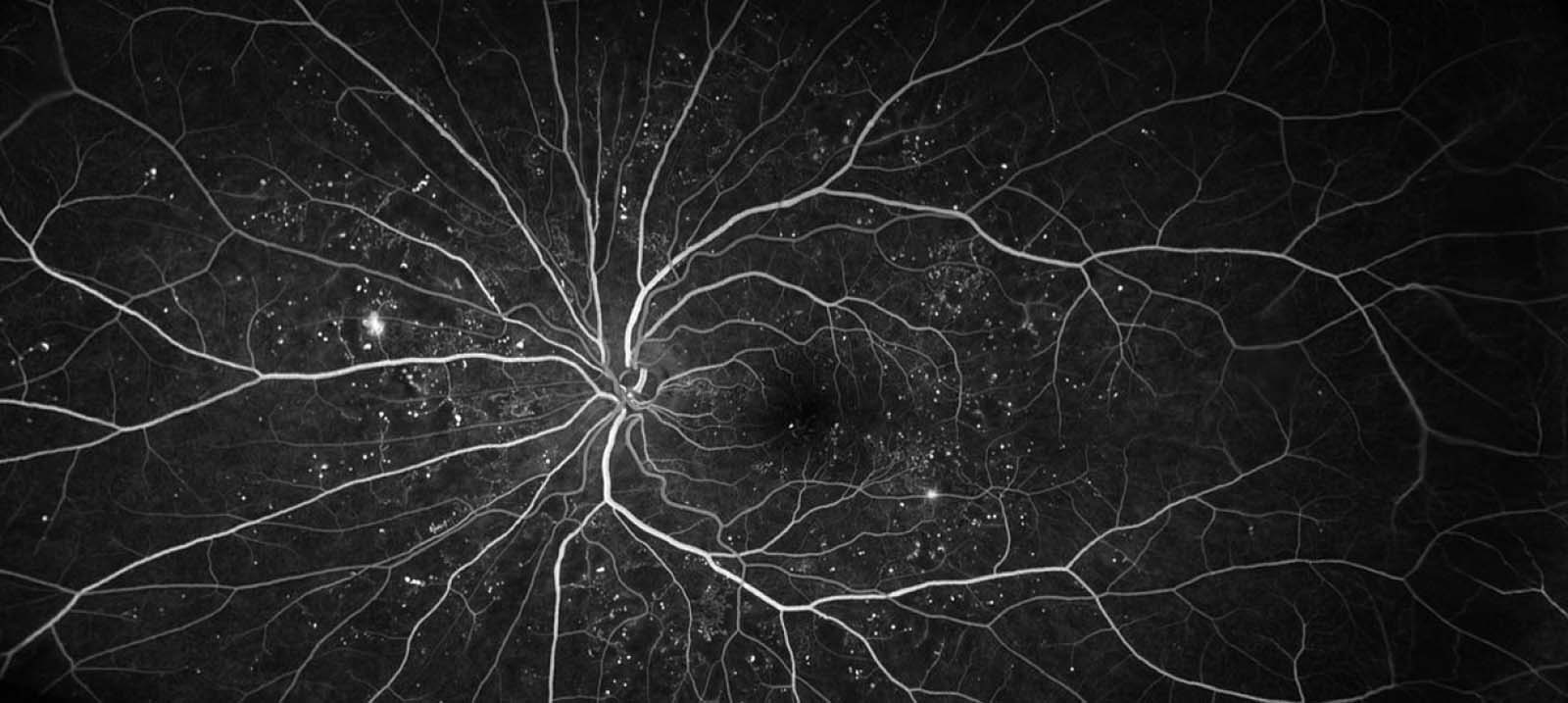
In addition to frequent thorough eye exams, Fluorescein Angiography may be used. During this test a dye is injected into a vein in the arm. Special photographs are taken of the retina as the dye passes through the blood vessels in the eye. The abnormal blood vessels leak the injected dye and become detectable to the physician. Optical Coherence Tomography (OCT) is another very useful test which can be used to detect macular edema. OCT is a scanning laser, which images a cross section or slice of the retina.


Treatment of NPDR
When macular edema affects or threatens vision, laser therapy is frequently recommended. Laser treatment for macular edema is a painless in-office procedure. Laser light is applied to the areas of leakage. The goal of laser treatment is to decrease the amount of leakage and therefore stop the loss of vision. Most, but not all, patients show a beneficial response to laser treatment. In some patients multiple laser treatments are required. Even when laser treatment successfully seals the leaking vessels, new areas of leakage may arise later.

In certain instances, intraocular injections of medicine may be recommended to treat macular edema. The goal of these injections is to make the retinal vessels less leaky. These injections are very effective and can improve vision in many cases. (See section on Intravitreal Drug Therapy for further details). Often an intraocular injection can be combined with laser treatment for additive effects.


Proliferative Diabetic Retinopathy (PDR)
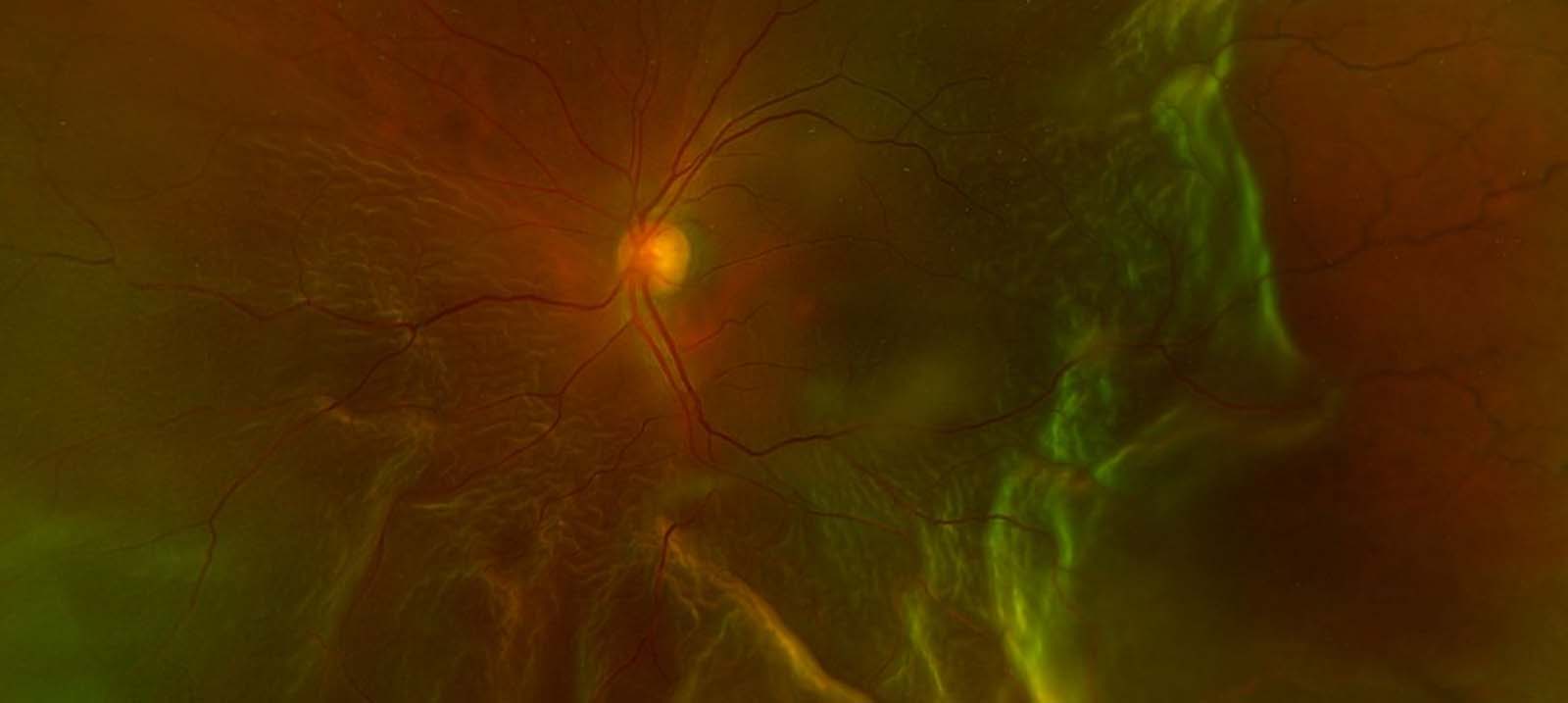
Proliferative diabetic retinopathy is the more advanced form of diabetic retinopathy. In PDR abnormal blood vessels begin to grow from the surface of the retina into the vitreous cavity. This is called neovascularization. The abnormal vessels can break and bleed into the vitreous cavity, causing a Vitreous Hemorrhage. Symptoms of a vitreous hemorrhage usually include the appearance of spots, strands, or a curtain in the vision. The abnormal blood vessels may also cause scar tissue to form. Scar tissue can block light from reaching the retina, or pull on the retina causing a Traction Retinal Detachment. Either of these problems may lead to severe visual loss. A person with PDR can also have macular edema, as in NPDR.


Treatment of PDR

Laser Surgery is the first line of treatment for PDR. Unlike focal laser for macular edema where an area of leakage is treated, PDR requires a more global treatment. This is called Pan-Retinal Photocoagulation (PRP). PRP treats the peripheral retina and causes abnormal blood vessels to shrink. Although PRP can sometimes reduce night or side vision, it lessens the likelihood of bleeding and can reduce the risk of severe visual loss by up to 50%. PRP laser is an in-office procedure and is often carried out over several sessions.

Vitrectomy Surgery may be indicated in patients who develop a severe hemorrhage or traction retinal detachment. Vitrectomy is a microsurgical procedure in which the vitreous gel, along with blood and scar tissue are removed from the vitreous cavity. Removing the vitreous does not harm the function of the eye. Vitrectomy surgery is an outpatient procedure at the hospital performed under local anesthesia.


Neovascular Glaucoma
Neovascular Glaucoma is a condition in which abnormal blood vessels grow on the iris or colored part of the front of the eye. These abnormal blood vessels can block the flow of fluid from the eye and cause the eye pressure to become very high. Neovascular glaucoma can cause pain, halos around lights, and rapid loss of vision. Prompt laser treatment, intravitreal medication, and sometimes surgery are required to reduce the risk of blindness.

The Patient’s role in Diabetic Retinopathy
The best treatment of diabetic retinopathy is prevention. Good control of blood sugar, blood pressure, and cholesterol will significantly reduce the risk of vision loss. It is recommended that patients take an active role in managing blood sugar and try to keep Hemoglobin A1C levels as low as possible, optimally 7 or less. A close relationship between patient and primary care physician is vital to preserve eyesight and overall health.

It is important to realize that diabetes may damage the retina without causing any noticeable visual symptoms. For this reason, individuals with diabetes should receive dilated eye exams regularly. With proper screening, follow-up and treatment, the majority of patients with diabetic retinopathy maintain useful vision and avoid severe visual loss.

.

Click on the links below to read more about promising treatments for Diabetic Retinopathy.

Vitrectomy for Macular Edema (PPV)

Intravitreal Avastin Injection (IVA)
Intravitreal Kenalog Injection (IVK)


  © 2009 Mohawk Valley Retina
Strategic Web Marketing by Trainor Interactive, Inc.