

MVR
Mohawk Valley Retina
Case Presentation About MVR Our Physicians Patient Education/Directory FAQs Contact Us Links
MVR Mohawk Valley Retina

  Topics
 
How The Eye Works  
 
The Retina  
 
The Vitreous  
 
Flashes and Floaters  
 
Retinal Tears  
 
Retinal Detachment  
 
Macular Degeneration  
  Diabetic Retinopathy  
  Macular Hole  
  Central Serous Retinopathy  
  Epiretinal Membrane  
  Cystoid Macular Edema  
  Central Retinal Vein Occlusion  
  Branch Retinal Vein Occlusion  
  Ocular Inflammation  
  Optic Nerve Disease  
  Intravitreal Drug Therapy  
  Retinopathy of Prematurity  


Ocular Inflammation


Uveitis

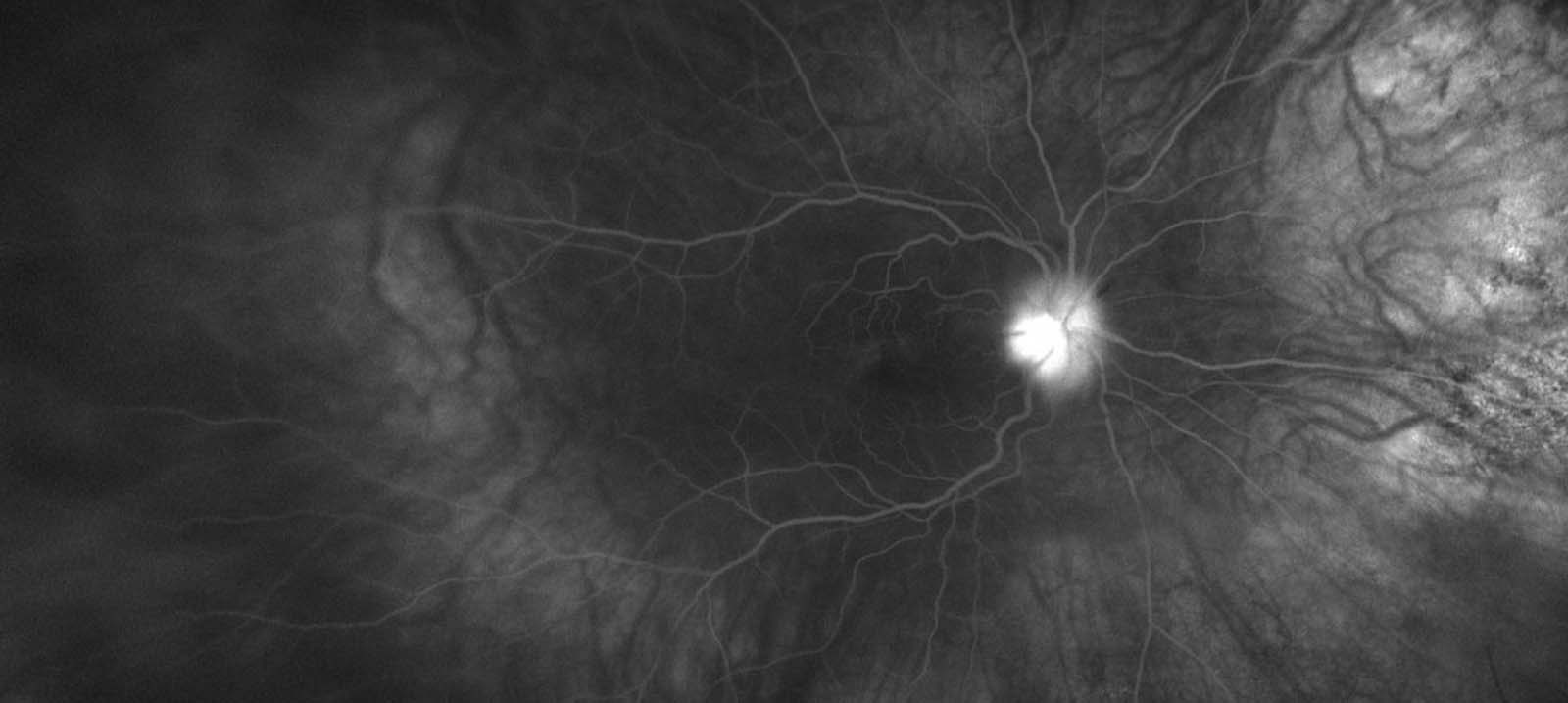
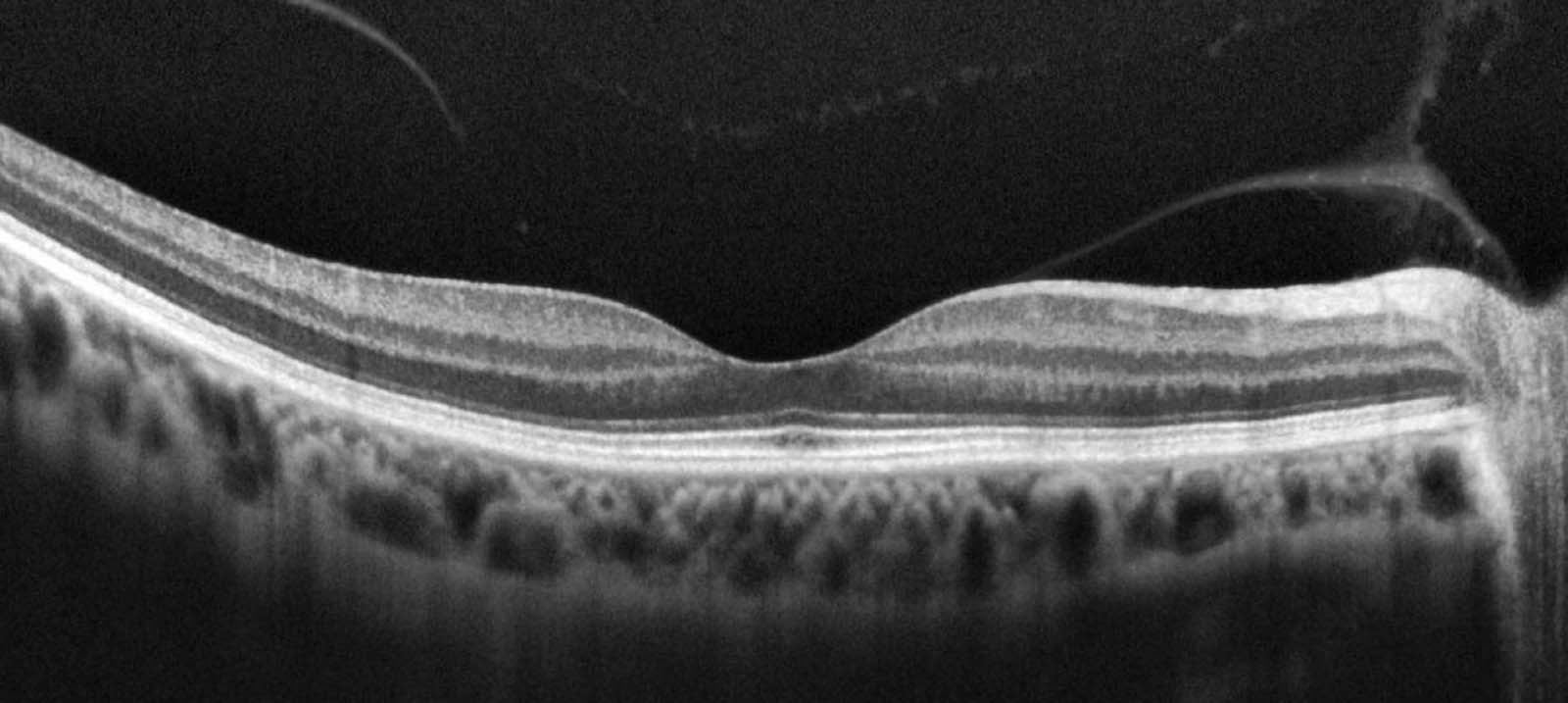
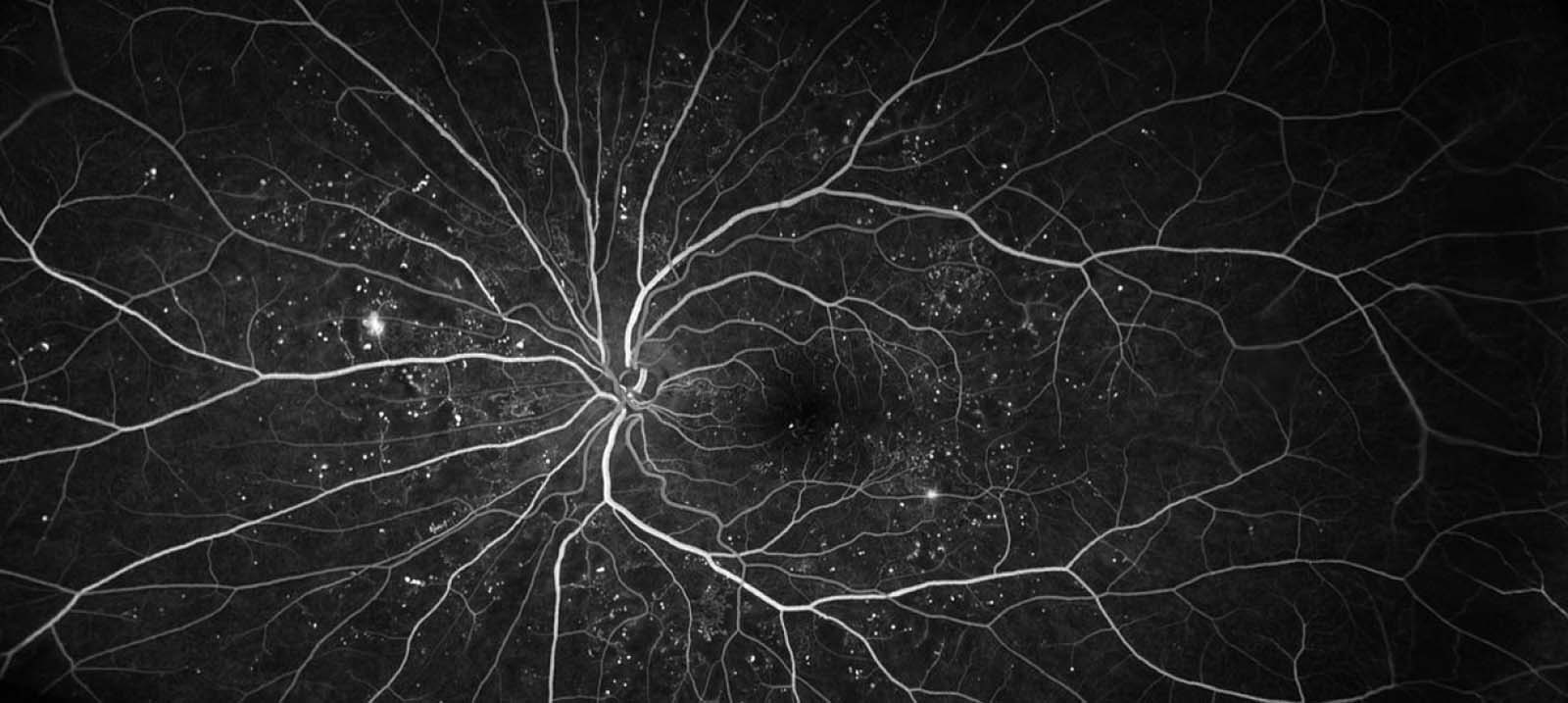
Uveitis is inflammation of the internal structures of the eye. Symptoms are varied and often include pain, redness, light sensitivity, floaters, and blurred vision. Scarring and Cystoid Macular Edema, (see section on Cystoid Macular Edema) may occur and require treatment to prevent permanent loss of vision.


Iritis is inflammation within the front cavity of the eye. Pain, light sensitivity, redness, and vision loss commonly occur. Iritis may develop rapidly and then resolve, or be a chronic disease. One or both eyes may be affected. Inflammatory and infectious disease may trigger the condition, although in over 50% of patients the cause is never determined.


Retinitis is inflammation or infection of the retina. Symptoms are different for each patient and may include floaters, pain, redness, and decreased vision. Retinitis is a serious condition and requires urgent evaluation and treatment.


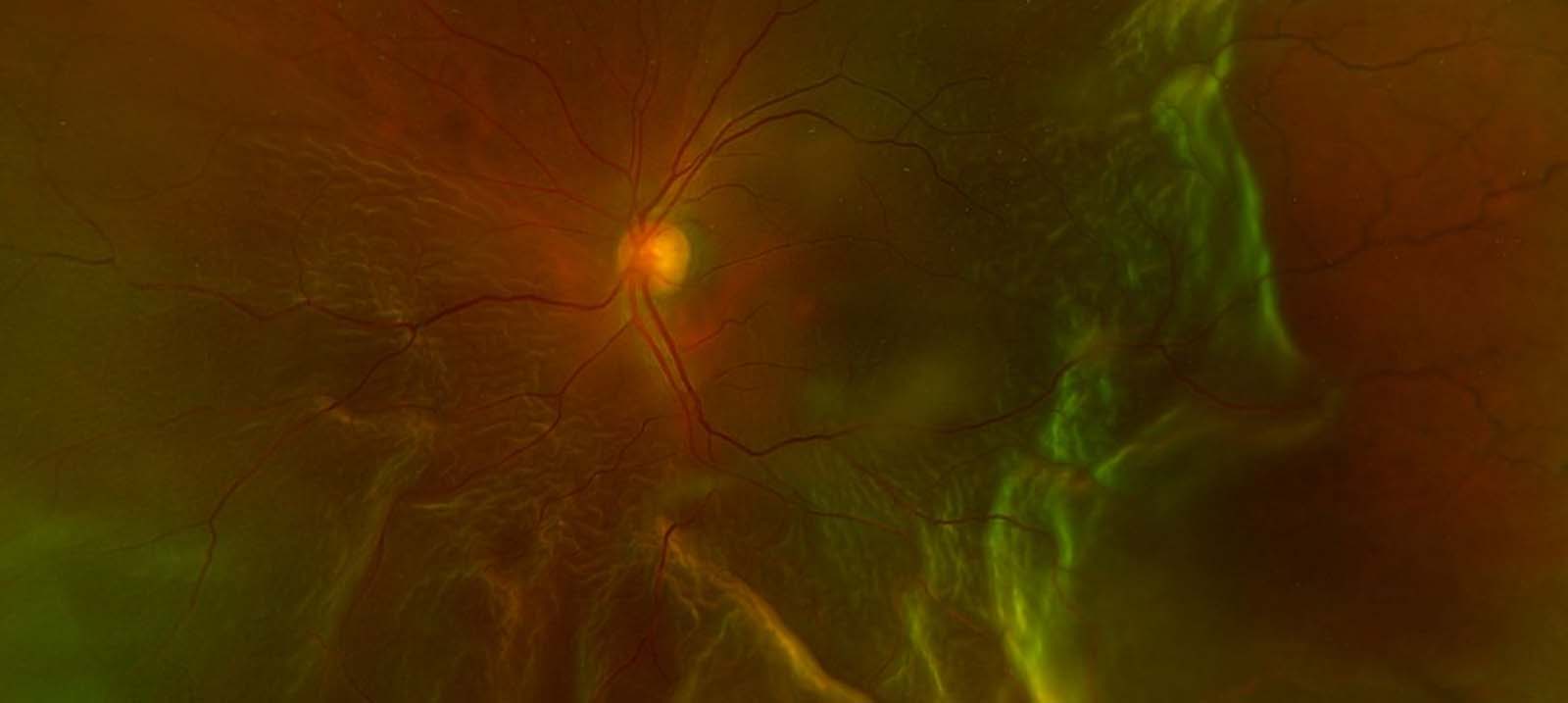
Pars Planitis is inflammation of the vitreous and front part of the retina. Most patients complain of floaters and blurred vision. Pain, redness, and light sensitivity are less common. Iritis may also be present. The inflammation is often chronic with occasional flare ups. In mild cases in which the vision is not affected, treatment can be deferred.


Treatment and Prognosis
Ocular inflammation may cause progressive vision loss due to Cystoid Macular Edema (CME), scarring, and cataract. Treatment, usually with steroids, is directed at controlling the inflammation. Topical, periocular, intravitreal, and oral medications are often used, and long lasting implants which suppress inflammation are being developed. In cases caused by infection, antibiotics are given. With timely and effective treatment, most patients with ocular inflammation maintain good vision.


  © 2012 Mohawk Valley Retina
Strategic Web Marketing by Trainor Interactive, Inc.